


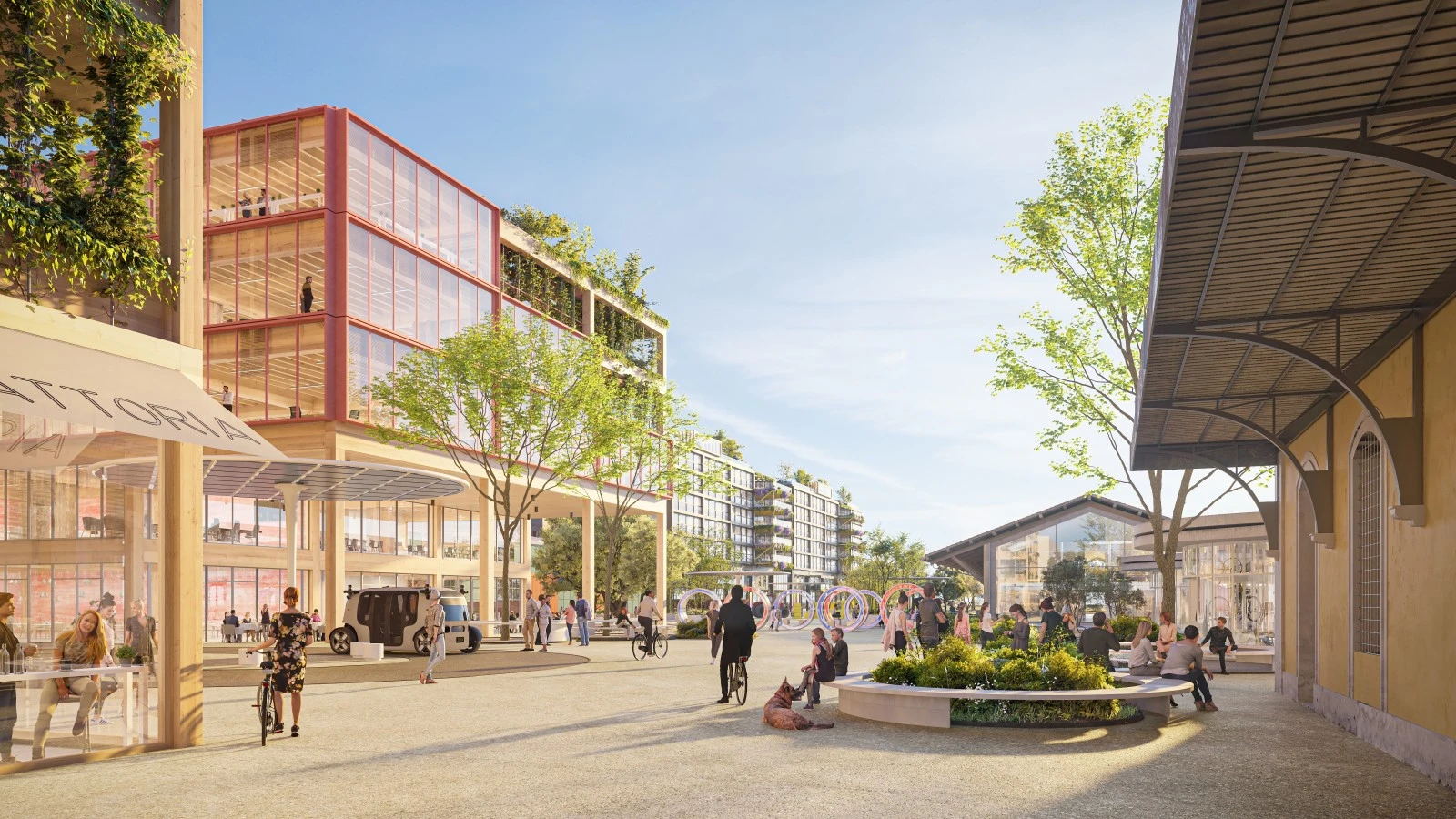
Urban connectivity is no longer measured only by distance on a map. In contemporary cities, it is defined by how effortlessly people move between work, home, social spaces, and moments of rest within the same day. As urban life becomes faster and more layered, connectivity has emerged as a critical determinant of residential quality, shaping not just commute times but overall lifestyle efficiency.
Homebuyers today are increasingly aware that location decisions influence daily energy, productivity, and long-term well-being. Connectivity, therefore, is no longer a logistical concern alone. It is a lifestyle consideration that affects how smoothly everyday life unfolds.
Connectivity as a Quality-of-Life Multiplier
Effortless connectivity reduces friction in daily routines. Shorter, predictable commutes free up time for family, health, and personal pursuits. Access to multiple transportation options reduces dependence on a single mode, making urban living more resilient to congestion and infrastructure strain.
Urban planners and housing developers now recognise that connectivity must be multidimensional. Proximity to employment hubs, access to arterial roads and public transport, and integration with emerging infrastructure corridors all contribute to residential desirability. According to World Bank’s research on urban mobility, improved connectivity directly correlates with higher economic participation and better quality-of-life outcomes in metropolitan regions.
The Shift Towards Well-Connected Peripheral Hubs
As city centres grow denser, growth is increasingly shifting towards peripheral zones that offer both connectivity and spatial relief. These areas benefit from planned infrastructure expansion while providing larger development parcels that support open spaces and community amenities.
Such neighbourhoods appeal particularly to first-time homebuyers and young families who prioritise accessibility without sacrificing liveability. When connectivity is thoughtfully planned, peripheral locations evolve into self-sustaining urban hubs rather than commuter-dependent extensions of the city.
Open Space and Connectivity Working Together
An important but often overlooked aspect of urban connectivity is its interaction with open space planning. Developments that balance transport access with internal pedestrian-friendly environments tend to deliver a calmer living experience.
Vehicle-free internal zones, integrated retail pockets, and walkable community spaces enable residents to complete daily activities without constantly entering traffic-congested corridors. This internal connectivity complements external mobility networks, creating a layered movement experience that supports both efficiency and comfort.
Social Connectivity and the Everyday Urban Experience
Connectivity also has a social dimension. Well-connected neighbourhoods attract diverse populations and support shared spaces where interaction becomes organic rather than incidental. Clubhouses, community zones, and local retail create opportunities for residents to connect without travelling far from home.
This form of social connectivity contributes significantly to emotional well-being, particularly in dense urban environments where isolation can coexist with proximity. Residential developments that support these interactions tend to foster stronger community identity over time.
A Contemporary Reference from the Howrah Urban Corridor
A relevant example of how connectivity-driven planning is shaping residential experiences is Joyville Western Heights, where housing is located within a growing infrastructure corridor near Santragachi. Spread across 30 acres with over 75 per cent open space, the gated community integrates residential living with internal amenities, community spaces, and retail conveniences.
Its location allows residents to remain connected to key city landmarks while benefiting from a more expansive and organised residential environment. This balance illustrates how connectivity, when paired with thoughtful planning, can simplify everyday life rather than accelerate its pace.
The Role of Legacy Developers in Connectivity-Led Planning
Delivering connectivity-driven residential environments requires long-term perspective and execution discipline. Developers must align project planning with evolving infrastructure frameworks, transport investments, and urban growth patterns.
Shapoorji Pallonji Real Estate developers, with over 155 years of experience, have consistently approached residential development through this wider urban lens. By focusing on how projects integrate with current and future connectivity networks, the group reinforces the idea that homes should remain relevant not just at launch but for decades to come.
Connectivity as a Foundation for First-Home Aspirations
For many buyers, particularly first-time homeowners, connectivity shapes the emotional and financial value of a purchase. A well-connected home reduces lifestyle compromises while supporting career growth and social engagement. It also strengthens long-term investment potential, as infrastructure-led locations tend to mature steadily.
Projects under the Joyville umbrella reflect this understanding by aligning housing formats with emerging connectivity corridors, ensuring that accessibility supports both aspiration and practicality.
When Connectivity Makes Life Lighter?
Urban connectivity, when designed thoughtfully, does more than move people efficiently. It simplifies decision-making, conserves energy, and creates space for living beyond logistics. As cities continue to expand and evolve, residential developments that prioritise effortless connectivity will increasingly define what comfortable urban living truly means.
In this context, connectivity is no longer a feature. It is the foundation upon which everyday ease is built.